
Trending home decoration styles and sustainable living solutions
The way we choose to style our homes has never been more intertwined with our values and our desire to live more responsibly. As we navigate an era where personal expression meets environmental consciousness, the latest trends in home decoration reflect a beautiful collision of bold aesthetics and thoughtful sustainability. From vibrant colour schemes that breathe life into tired rooms to clever upcycling projects that give forgotten pieces a second chance, transforming your living space now means considering both its visual appeal and its impact on the planet. Whether you're planning a complete refresh or simply seeking inspiration for a few updates, understanding these evolving trends can help you create a home that feels both current and conscientious.
Current home decoration trends transforming british interiors
The landscape of interior design in the United Kingdom is experiencing a fascinating shift as homeowners embrace styles that reflect individuality and confidence. After years of minimalist restraint, there is a growing appetite for rooms that tell stories and showcase personality. This movement towards more expressive interiors is shaping the way properties across the country are being styled, with many people choosing to click here to discover lifestyle trends that resonate with their unique tastes and values.
Biophilic Design and Natural Elements in Modern Spaces
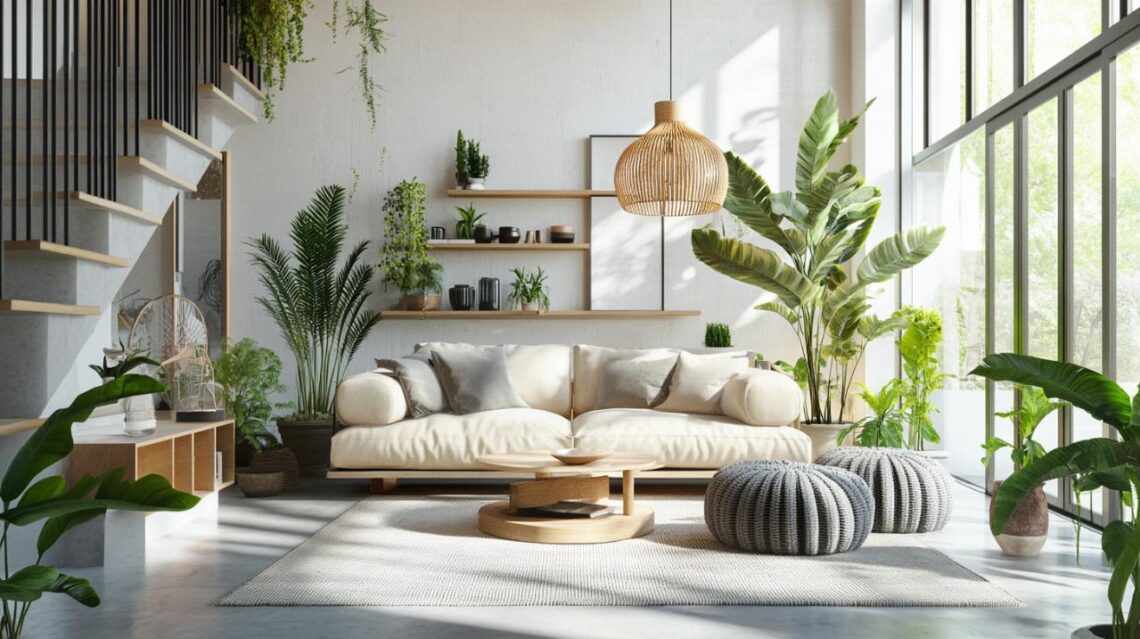
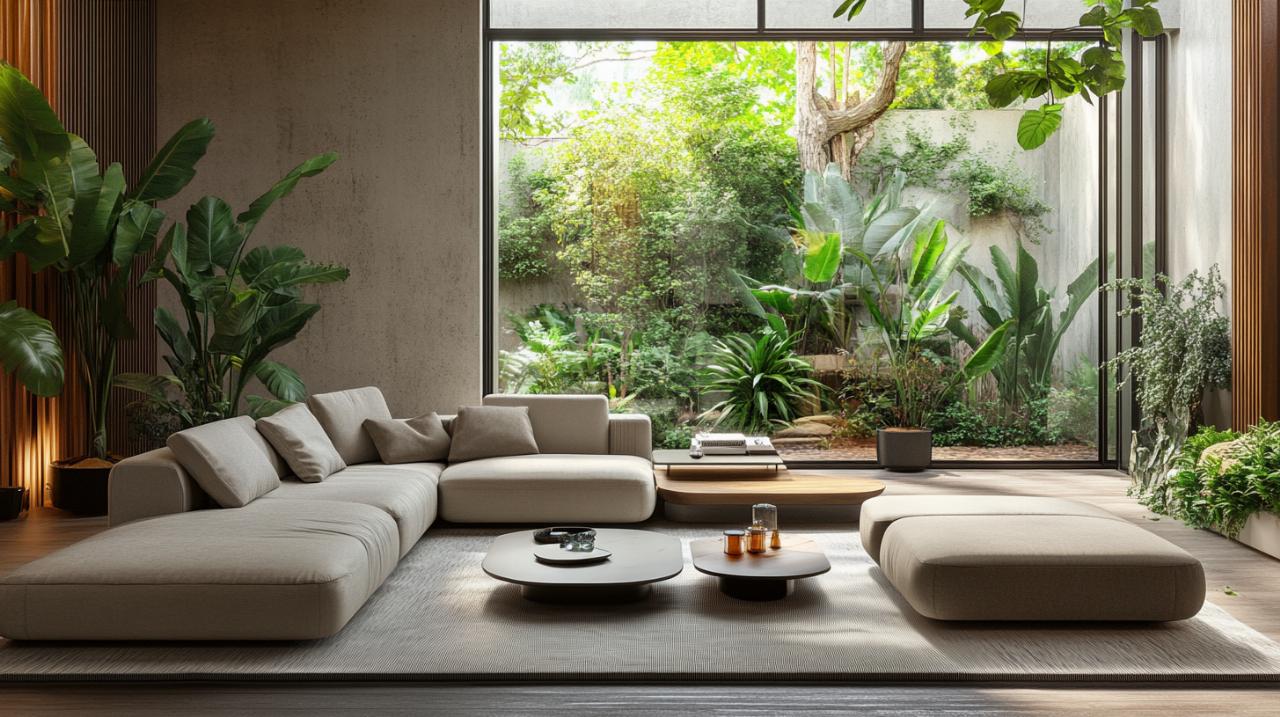
Bringing the outdoors inside has become far more than a passing fad; it represents a fundamental rethinking of how we relate to our living environments. Biophilic design, which centres on incorporating natural elements into interior spaces, has gained significant traction as people seek to create homes that feel calm, grounded, and connected to the natural world. Indoor plants have emerged as essential features rather than mere accessories, purifying the air whilst adding vibrant splashes of greenery that soften even the most contemporary settings. Beyond foliage, this trend extends to the use of reclaimed wood, which brings warmth and texture to floors, feature walls, and furniture pieces. Recycled glass elements add character through lighting fixtures and decorative accents, whilst earth-tone colour palettes in shades of terracotta, sage, and warm ochre create soothing backdrops that echo the hues found in nature. The emphasis on natural light has also influenced architectural choices, with large windows and aluminium-framed sliding doors becoming increasingly popular for their ability to blur the boundaries between interior and exterior spaces. These materials not only enhance the flow of daylight but also contribute to energy saving by improving thermal performance and reducing reliance on artificial lighting throughout the day.
Maximalist Revival and Bold Colour Palettes for 2024
In stark contrast to the pared-back simplicity that dominated recent years, maximalism has returned with a flourish, encouraging homeowners to layer patterns, textures, and colours with abandon. This trend celebrates abundance and personal curation, turning living spaces into galleries of cherished objects and vibrant textiles. Bold colour palettes are at the heart of this movement, with deep jewel tones such as emerald, sapphire, and ruby appearing on walls, upholstery, and even kitchen cabinetry. The approach is not about chaos but rather a carefully considered composition where each element contributes to a cohesive yet dynamic whole. Vintage furniture plays a starring role in maximalist interiors, offering pieces with history and character that cannot be replicated by mass-produced alternatives. Sourcing pre-loved items from platforms such as Vinterior or The Saleroom allows decorators to find unique statement pieces that anchor a room whilst supporting the circular economy. Mixing eras and styles has become not only acceptable but desirable, with mid-century sideboards sitting comfortably alongside Victorian mirrors and contemporary art. This eclectic approach extends to soft furnishings, where richly patterned curtains, layered rugs, and an abundance of cushions create spaces that feel lived-in and inviting. The maximalist revival is ultimately about rejecting uniformity and embracing the idiosyncrasies that make a house feel like a true home.
Practical eco-friendly solutions for sustainable home living
Sustainability has moved from the margins to the mainstream, with practical eco-friendly solutions now accessible to homeowners at every budget level. The focus has shifted towards making choices that reduce environmental impact without sacrificing style or comfort. This involves rethinking everything from the materials we select for renovations to the everyday habits that shape our domestic routines. The integration of sustainable practices into home life reflects a broader cultural shift towards waste reduction and responsible consumption, offering tangible ways to contribute to environmental preservation whilst enhancing the quality and functionality of living spaces.
Energy-Efficient Upgrades and Renewable Materials for Your Property
Upgrading your property with energy-efficient features represents one of the most impactful steps towards sustainable living. Replacing outdated windows with modern aluminium windows and aluminium doors can dramatically improve insulation, reducing heat loss during colder months and minimising the need for excessive heating. These contemporary solutions often feature double or triple glazing that contributes to sound reduction, creating quieter interiors in urban settings whilst simultaneously enhancing security through robust frames and advanced locking mechanisms. The benefits extend beyond comfort and safety; improved energy performance translates directly into lower utility bills and a reduced carbon footprint. Incorporating renewable materials throughout your home further reinforces a commitment to sustainability. Reclaimed wood sourced from deconstructed buildings or salvaged timber offers a beautiful and responsible alternative to newly harvested lumber, bringing unique grain patterns and patina that add depth to dining rooms, bedrooms, and living areas. Recycled glass countertops and tiles provide durable surfaces with distinctive visual appeal, whilst low-carbon materials such as bamboo flooring and natural linoleum offer resilient options for high-traffic zones. When undertaking projects such as kitchen reform or bathroom renovations, selecting energy-efficient appliances with high performance ratings ensures that the environmental benefits extend to daily operations. Renewable energy installations, including solar panels and heat pumps, represent more substantial investments that can transform a property into a near-zero-emission home, aligning long-term living with environmental stewardship.
Zero-waste decorating tips and upcycling furniture ideas
Adopting a zero-waste mindset when decorating involves reimagining the potential of items that might otherwise be discarded. Upcycling furniture has become a creative and cost-effective way to refresh interiors, turning dated or worn pieces into striking focal points through painting, reupholstering, or repurposing. An old wooden cabinet can be transformed with a fresh coat of eco-friendly paint and new hardware, whilst tired chairs gain new life with sustainably sourced fabrics. This approach not only prevents perfectly usable items from ending up in landfill but also allows for a level of customisation that shop-bought alternatives cannot match. Decluttering serves as the foundation for zero-waste decorating, encouraging homeowners to assess their belongings and donate or sell items that no longer serve a purpose. Local charity shops and online marketplaces provide avenues for pre-loved items to find new homes, supporting the circular economy whilst creating space for more intentional design choices. When acquiring new pieces, prioritising vintage or sustainably produced items ensures that each addition aligns with broader environmental values. Repurposed materials can be incorporated throughout the home in imaginative ways, from reclaimed wood shelving in home offices to recycled glass vessels used as planters for indoor plants. Even small gestures, such as choosing roller blinds made from natural fibres or opting for curtain rods crafted from sustainable metals, contribute to an overall reduction in waste. The philosophy extends to maintenance and repair, where fixing rather than replacing becomes a guiding principle. Learning basic DIY skills empowers homeowners to extend the lifespan of furniture and fittings, reducing the constant cycle of consumption that characterises much of contemporary living. By embracing these zero-waste decorating tips, it becomes possible to create beautiful, functional spaces that honour both aesthetic aspirations and environmental responsibilities.